Perhaps it relates more to that subtle, almost secretive moment when something outside of us encounters something deeply our own. A space, a face, an object, a shadow, a texture, a color, a silence. And there, without always being able to explain it, we feel that this wh-
Written by
MOVA Studio · Architecture & Interior Design
An Athens-based studio shaping spaces where architecture, interior design and craft meet — notes from our practice.
Perhaps it is more about that delicate, almost secret moment when something outside of us meets something deeply our own. A space, a face, an object, a shadow, a texture, a color, a silence. And there, without always being able to explain it, we feel that what we see concerns us.
We often talk about aesthetics as if it were a system of fixed values, as if there were an invisible measure somewhere handing out verdicts: this is good, that is bad; this is refined, that is vulgar; this is sublime, that is common. But as the years go by, I suspect more and more that aesthetics does not inhabit things the way weight inhabits a stone or temperature inhabits water. It inhabits our relationship with them. In memory, in desire, in trauma, in habit, in the gaze, in time.
That is why what follows are not positions but suspicions. Not axioms, but thought experiments. Ten plus one uncertain thoughts on aesthetics, written not to define beauty, but to approach the mystery of why something, sometimes, moves us.
1. Beauty is not a fact. It is a relationship.
There is a profound misunderstanding in the way we talk about aesthetics: we act as if beauty were a stable property, as if it exists within things independently of us. But nothing is absolutely beautiful for everyone in the same way. The same landscape that one person finds serene, another may feel as empty. A house that seems cold to one, gives another a sense of clarity. A face, a garment, a space, a musical phrase: all these become aesthetically significant only when they encounter an internal ground ready to receive them.
Beauty, then, is not a simple characteristic. It is an event. It is the moment of an encounter between something that exists outside of us and something that waits within us.
2. Our first aesthetic experience is often our own self.
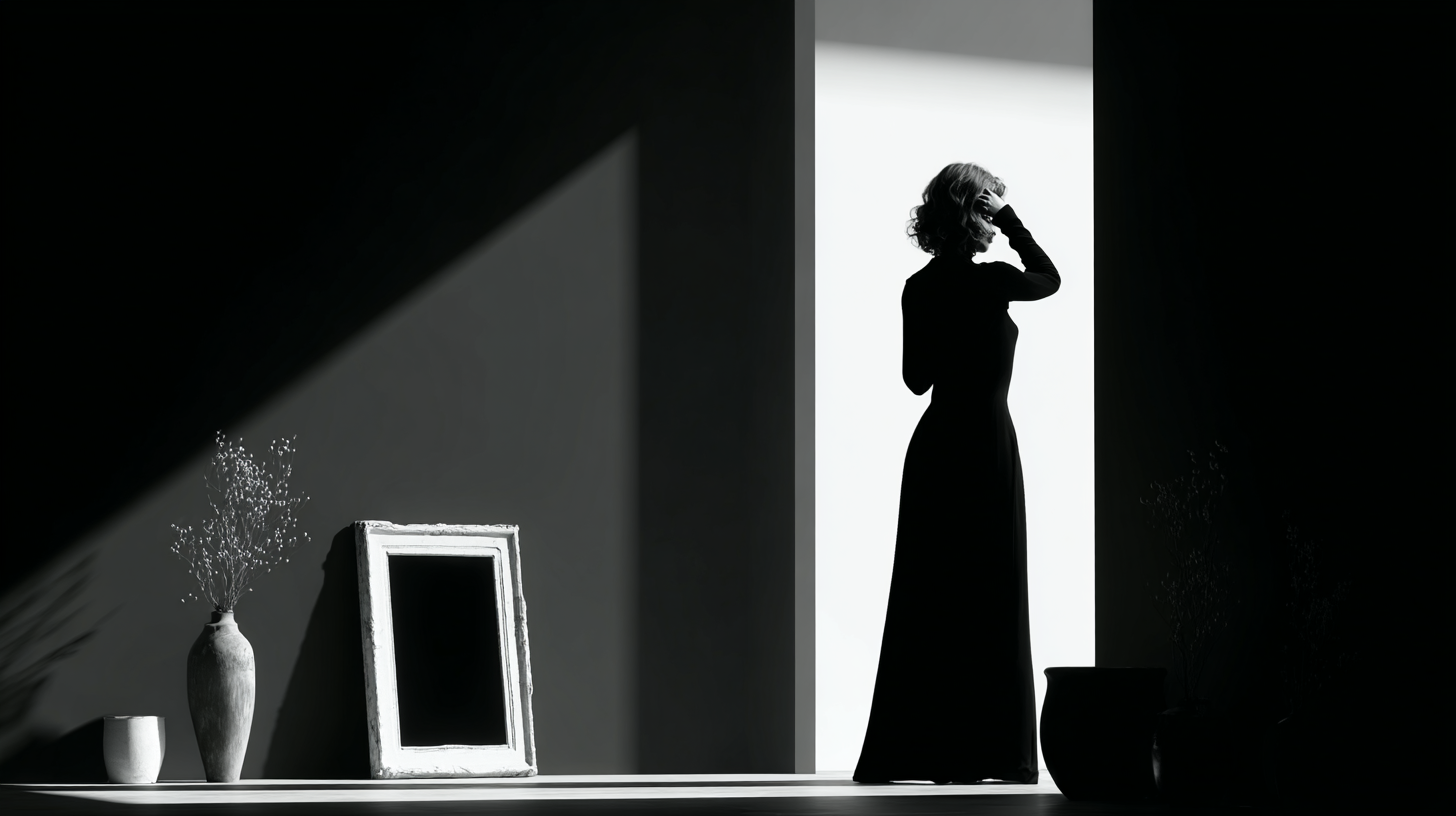
Before we form an opinion on art, architecture, or design, we have already stood before the mirror. We have already tried to comb our hair, change clothes, hide or emphasize features of our face and body, put on makeup, care for our image, invent a form with which we will step out into the world.
Perhaps that is where the first aesthetic consciousness is born: not when we wonder what is beautiful in general, but when we begin to wonder how we want to appear, how we want to exist in the eyes of others, which version of ourselves expresses us and which betrays us. The mirror is perhaps the first private laboratory of aesthetics. Not always kind, nor always innocent. But true.
Aesthetics, in this first form, is not theory. It is a trial of identity.
3. We do not see only with our eyes. We see with our memory.
What moves us aesthetically never arrives completely naked. It is accompanied by everything we have lived. A wooden floor, a scent, light through a curtain, the patina of a metal, the austerity of a white wall, the clutter of an old house — all these do not function merely as forms. They activate memories, whether clear or buried.
That is why the aesthetic experience has something irrational about it. We are sometimes moved by things we could not easily defend with objective criteria. Not because we lack judgment, but because our judgment is never detached from our life. What seems beautiful to us is often that which, in some imperceptible way, recognizes us.
4. Taste is not arbitrary, but neither is it sacred.
To say that aesthetics is personal does not mean it is entirely random. Taste does not fall from the sky like divine inspiration, nor is it an authentic instinct beyond question. It is cultivated, influenced, educated, refined, changed. It passes through family, social class, era, images, education, desire, insecurity, imitation, reaction.
And yet, despite this relativity, many still speak of taste as if it were a title of nobility. As if there are people who simply "have" aesthetics and others who lack the gift. The truth is more complex and far less flattering. Our taste is a blend of freedom and influence, personal quest and historical construction. It is neither pure authenticity nor pure imposition.
5. Often we are not moved by the perfect, but by the true.
There is a form of beauty so flawless that it ultimately feels dead. Everything is in its place, everything correct, everything calculated — and yet nothing remains. Perfection, when it leaves no room to breathe, becomes sterile. It becomes a display case. It becomes a demonstration of control.
On the contrary, we are often touched by what bears small cracks: a wear, an imperfection, a silent asymmetry, a trace of use, a human awkwardness. Not because we superficially idealize the "imperfect," but because there we recognize life. The truly aesthetic is not always identified with the smooth. Sometimes what draws us is something deeper than beauty: the sense of truth.
6. Simplicity is not lack. It is discipline.
Many confuse simplicity with poverty or an easy abstraction. But true simplicity is a difficult matter. It requires knowing what is redundant, what weighs down, what shouts without reason. It requires restraint. And above all, it requires trust that the essential can stand without ornaments.
Simplicity is not just a morphological choice. It is also an existential one. It signifies a way of relating to the world without the constant need to prove, to impress, to multiply one's marks. In an era that often believes more is better, simplicity seems almost like an act of internal resistance.
7. The history of aesthetics is the history of its transformations.
If aesthetics were something absolutely objective, history would be much more monotonous. And yet, every era imagined beauty differently. In antiquity, it was linked to harmony, measure, proportion, the idea that form must obey an almost cosmic order. In other periods, beauty was joined with the sacred, the symbolic, majesty, hierarchy. The Renaissance returned to the human, the body, perspective, balance, and a renewed belief that the world can be understood through formal order. The Baroque, conversely, sought drama, intensity, movement, emotional excess. Modernism came later to speak of abstraction, function, purity, almost an ethics of form. And the postmodern condition questioned all these certainties together, opening the field to irony, multiplicity, the coexistence of contradictory codes.
Today we live in an aesthetic condition more fluid than ever. Images circulate en masse, trends are born and die with algorithmic speed, style often functions as a consumer signal or a digital persona. And yet, even this speed says something essential: that aesthetics is not a frozen law. It flows along with societies, technologies, their needs and fantasies.
Every era thought, more or less, that it had found the right measure. And then the next one came to disprove it. This alone should have made us more humble.
8. Aesthetics is a way of self-knowledge.
Our choices do not only speak of things. They speak of us. What attracts us or repels us, what we reject as heavy or what we seek as pure, are not just external judgments. They are traces of an internal arrangement. Aesthetics often functions as a subtle mirror of the self: it shows us what we fear, what we desire, where we suffocate, what we consider care, what we confuse with prestige, what we identify with freedom.
That is why aesthetics is never innocent. It carries our small ideologies, our imitations, our needs for validation, our desires to stand out or to belong. This is not bad. It is simply true. Aesthetics becomes interesting exactly when it stops being a facade and starts becoming a tool for self-observation.
9. Beauty does not always unite us. Sometimes it exposes us.
There is a romantic idea that aesthetics is a space of reconciliation, that beauty makes us all meet in a common sensitivity. I am not certain. Sometimes the opposite happens. What truly moves us reveals us. It exposes us in our particularity. It shows us without defense.
When someone loves a space, a poem, a fabric, a color, a kind of silence that others do not understand, something more serious than a simple difference in taste is happening. There, it becomes visible that aesthetics is closely tied to our individual experience. It is not always a field of consensus. It is also a field of solitude.
10. Personal aesthetics is a form of freedom.
In a world that constantly teaches us what we "should" like, persisting in a personal aesthetic line is more than a style choice. It is a form of internal independence. Not in the childish sense of differing for the sake of differing, but in the more mature sense: having walked enough of the path to distinguish what truly expresses you from what simply pressures you to follow.
Personal aesthetics does not mean stubbornness or self-referentiality. It means having acquired a certain relationship of honesty with your gaze. Not constantly trying to borrow the desires of others. Leaving space for that which, without noise, finds you.
+1. Perhaps aesthetics is not something we possess, but something that visits us.
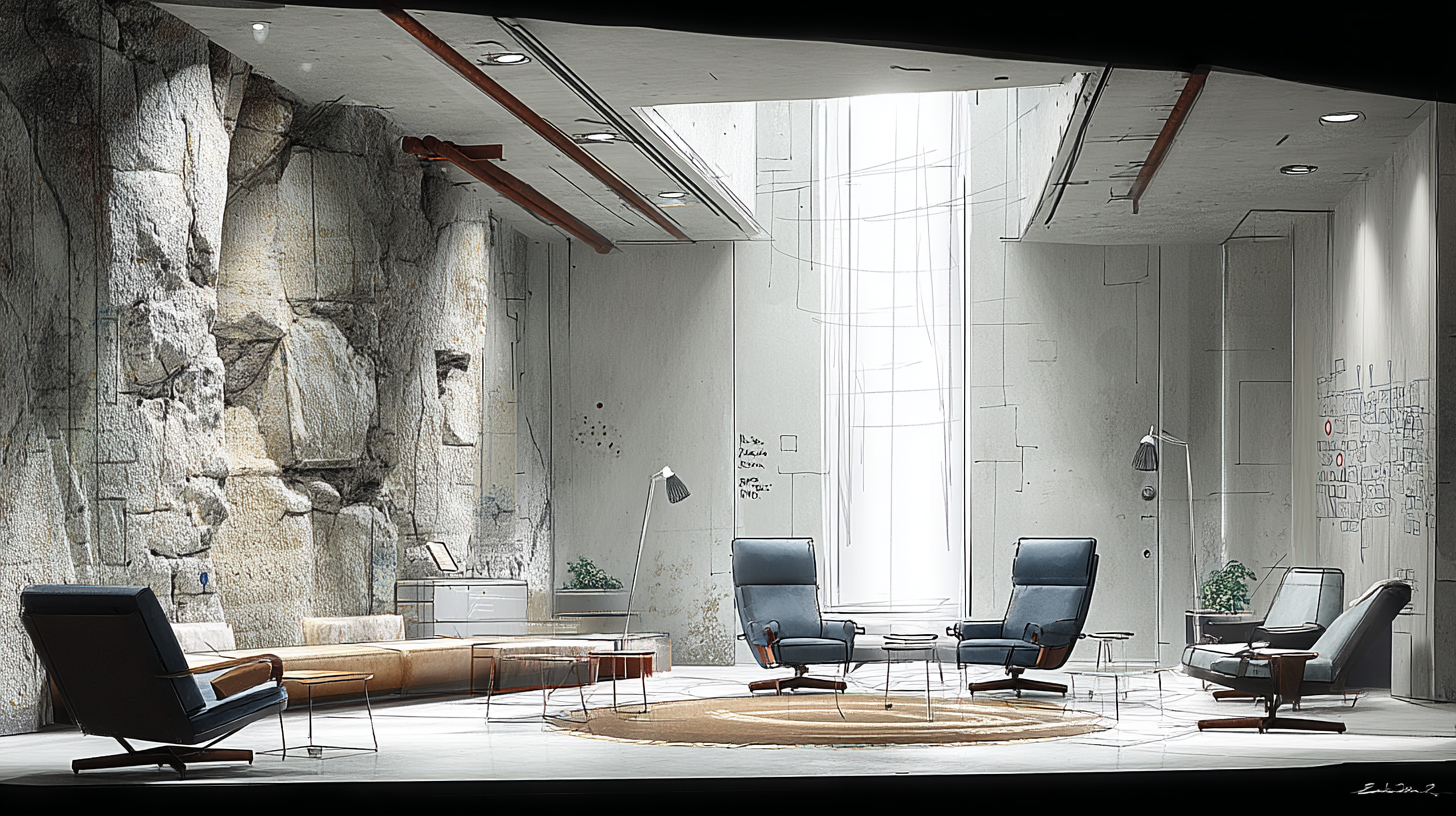
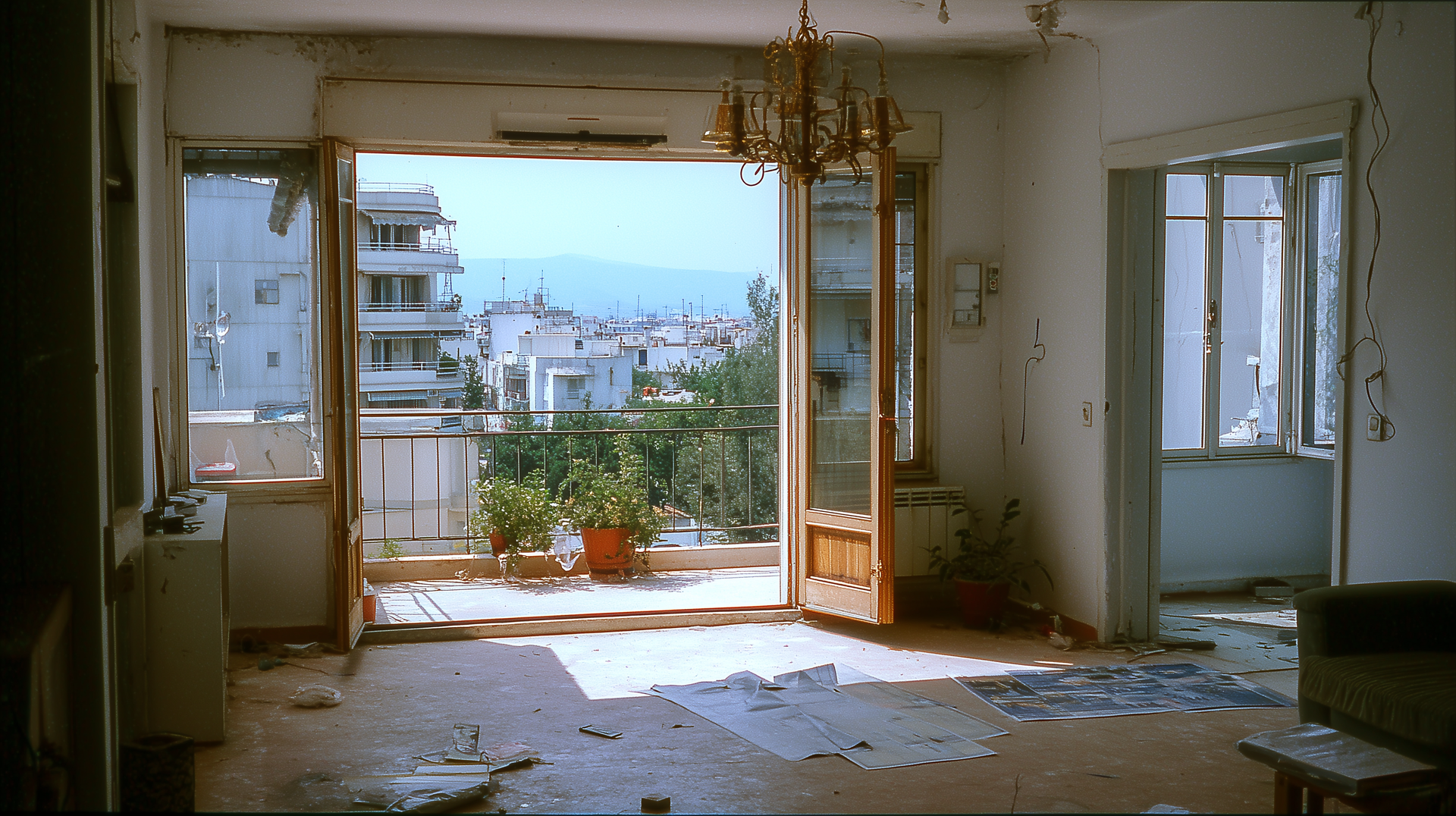
There are moments when we don't know why something overwhelms us. A light on a wall late in the afternoon. An old fabric. The geometry of an empty room. A face tired and true. A detail no one else noticed. We cannot always explain it with criteria, proportions, or theories. And perhaps this is the most important lesson of aesthetics: that its most essential element is not conquest, but availability.
We do not "possess" aesthetics as we possess a technique. We can cultivate sensitivity, sharpen the gaze, train our judgment. But the truest aesthetic experience often feels like a visit. Something comes toward us, for a while, and shifts us.
And here perhaps lies the greatest misunderstanding of all.
Because I have always felt distrustful of those who speak of aesthetics with that cold air of authority, as if they have been granted some special right over beauty. As if they are its guardians. As if there is a secret council of good taste that handed them, along with approval, the license to disparage. There is something almost comic in this arrogance, even if it is often dressed in solemnity, education, or refined vocabulary.
The truth is that whoever speaks of aesthetics as if they possess it has probably only touched its social casing: the style, the code, the symbolic prestige of taste. Not its core. For the core of aesthetics, when it is true, does not breed vanity. It breeds hesitation. It doesn't make you an authority. It makes you more receptive, more porous, more vulnerable to the world. It doesn't offer you superiority. It strips you of certainties.
Every time aesthetics becomes a vehicle for social arrogance, it ceases to be sensitivity and turns into vanity. It becomes yet another way for one to distinguish oneself not through the truth of their gaze, but through the devaluation of the gaze of others. And perhaps there is nothing more unaesthetic than this: to speak of beauty without humility.
That is why these thoughts remain uncertain. Not out of weakness, but out of respect. Because whatever is aesthetically worthy is never entirely surrendered to definitions. It is only approached. Only recognized for a moment. Only touches us and moves away.
Perhaps in the end, aesthetics is not something we possess.
Perhaps it is something that, rarely and briefly, visits us.