Why the Best Houses Were Not Designed Entirely
Written by
MOVA Studio · Architecture & Interior Design
An Athens-based studio shaping spaces where architecture, interior design and craft meet — notes from our practice.
There are spaces you feel instantly. Not because they are spectacular, but because they possess something you cannot easily name. A warmth that does not stem from color. A serenity that is not explained by the layout. A sense that this space knows you.
This is not luck. It is the result of a specific design philosophy that most architects do not apply and few clients have thought to ask for.
Control as a trap
Conventional architecture seeks to control everything. Every angle, every proportion, every experience. The result is often spaces that are perfect on paper and sterile in life. Spaces that look fine in photographs but never acquire that quality we call character.
Robert Morris, one of the most astute thinkers on the relationship between form and materiality, wrote as early as 1968 that materials have their own logic, and that the creator's job is to listen to it, not to subdue it.¹ Architecture functions no differently.
What enduring spaces do
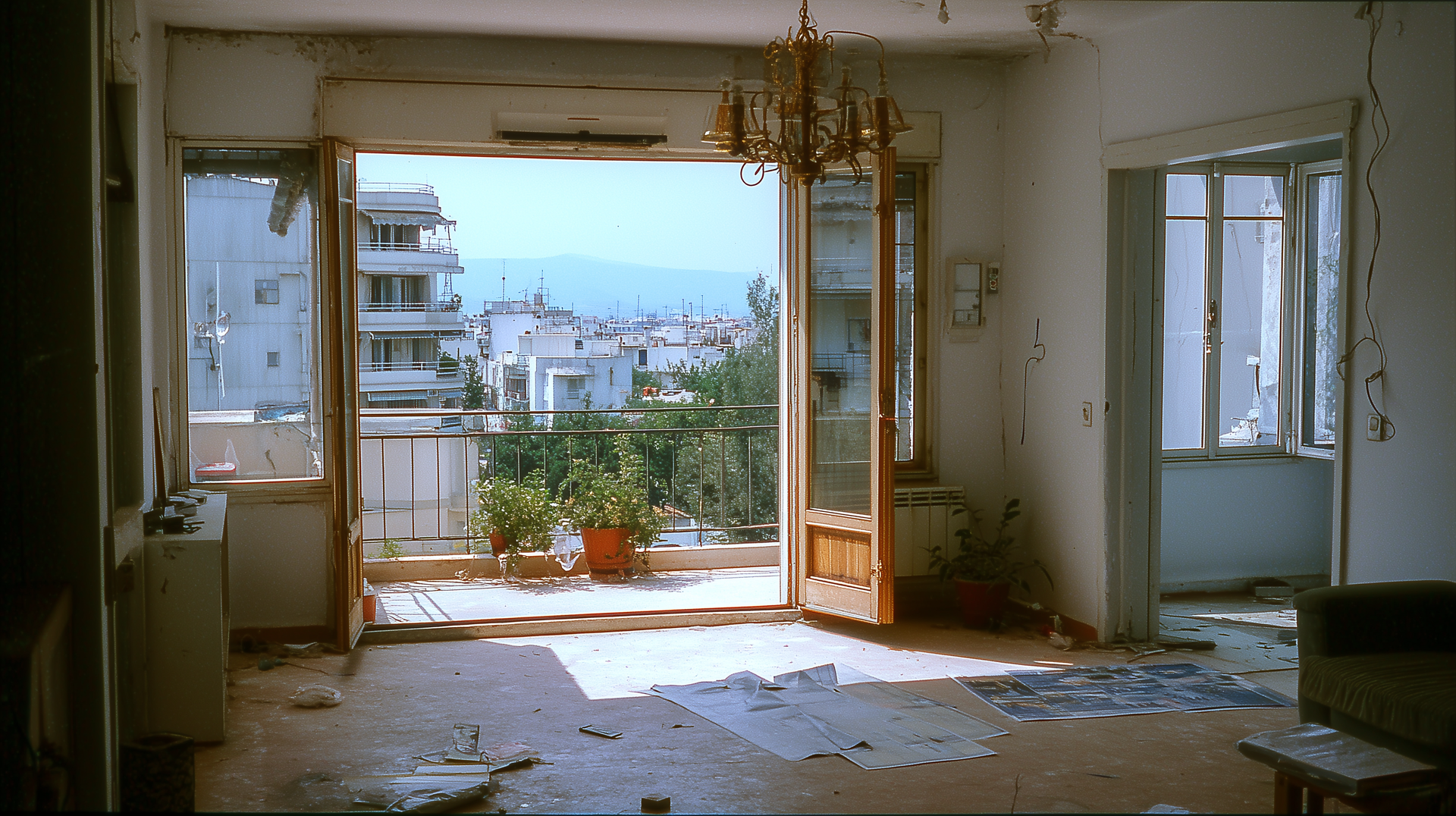
The spaces we grow to love over time, whether they are homes, hotels, or restaurants, share a common trait: they are not finished. They have been allowed to age, to change, to acquire layers. This does not mean a lack of design. It means design intelligent enough to leave room for time.
The architect John F.C. Turner put it precisely: a space that responds to the real needs of the people who live in it is always superior to a space that only responds to the designer's theoretical categories.² The difference is exactly what separates an impressive project from a beloved home.
Anarchy as method, not absence
The word anarchy has a bad reputation. In architectural thought, however, it refers to something very specific: the ability of a space to organize itself around the needs of the people who use it, rather than subordinating those needs to an external order.
Cedric Price, one of the most influential architects of the 20th century, proposed that the question is not what to build, but what to allow to happen. He designed possibilities, not objects.
Lebbeus Woods raised the same issue from a different angle: every architectural decision is also a political decision about who defines space and for whom.³ This applies equally to a private residence.
What this means in practice
Ilya Prigogine, a Nobel laureate in Chemistry, showed that in complex systems, order and quality do not arise from control, but from understanding the forces at play.⁴ A home is exactly such a system.
Light changes. Human habits evolve. Materials age, sometimes beautifully. A space designed to endure these changes, which anticipated them without canceling them, is a space that will be loved.
We write about anarchy because we are interested in honesty. Every space we design will face forces we did not foresee, users we did not meet, time we do not control. An architect who ignores this does not design better; they simply design with less truth. The precision we believe in is not the control of the outcome. It is the understanding of the forces.
¹ Morris, R. (1968). "Anti Form." Artforum, vol. 6, no. 8, pp. 33–35. ² Turner, J.F.C. (1976). Housing by People: Towards Autonomy in Building Environments. Marion Boyars, London. ³ Woods, L. (1992). Anarchitecture: Architecture is a Political Act. Academy Editions, London. ⁴ Prigogine, I. and Stengers, I. (1984). Order Out of Chaos: Man's New Dialogue with Nature. Bantam Books, New York.