There is a misconception that has become almost a rule: that quality in architecture is synonymous with impression. With clean geometry, the photogenic detail, the material that "translates" well on camera. Yet quality is not an aesthetic statement. It is performance: the degree to which a space act
Written by
MOVA Studio · Architecture & Interior Design
An Athens-based studio shaping spaces where architecture, interior design and craft meet — notes from our practice.
There is a misconception that has become almost a rule: that quality in architecture is synonymous with impression. With clean geometry, photogenic detail, and materials that "read" well on camera. But quality is not an aesthetic statement. It is performance: the degree to which a space functions in favor of the human being — physically, cognitively, psychologically, and practically — consistently over time.
The "beautiful" is a part of quality, but it does not guarantee it. A building can be striking and simultaneously generate fatigue, thermal discomfort, acoustic stress, poor circulation, or high operational costs. And these are not minor details. They are the exact opposite of high architecture: they are small daily penalties paid over and over again.
Quality means correct design that serves the human being
If we want to speak seriously, we start with measurable and observable performance criteria:
Functional flow and ergonomics: how "effortlessly" daily tasks are performed without unnecessary movement, conflicting uses, and poor compromises.
Indoor Environmental Quality (IEQ): air, thermal comfort, humidity, lighting, acoustics. Factors that directly affect well-being, concentration, and health.
User control: the ability to adjust lighting, shading, ventilation, and temperature. Real luxury is not display; it is control.
Durability over time: maintenance, the aging of materials and details, and resistance to actual use.
When these are correct, aesthetics are not "surface." They are the result of a deeper order: space that stands because it works.
Indications that the human was not at the center
Failures share common patterns.
1) Flows and ergonomics: when daily life "stumbles"
A kitchen may look flawless, but if basic functions require long paths and pointless movements, the space fails where it matters most. The same applies to corridors "bought" to make the composition look clean while primary uses are squeezed. Or with entrances and stairs designed as sculptures, without actual foresight for daily scenarios of moving goods or accessibility. Ergonomics is not a detail. It is respect for human time and energy.
2) Light: "beautiful" is not always right
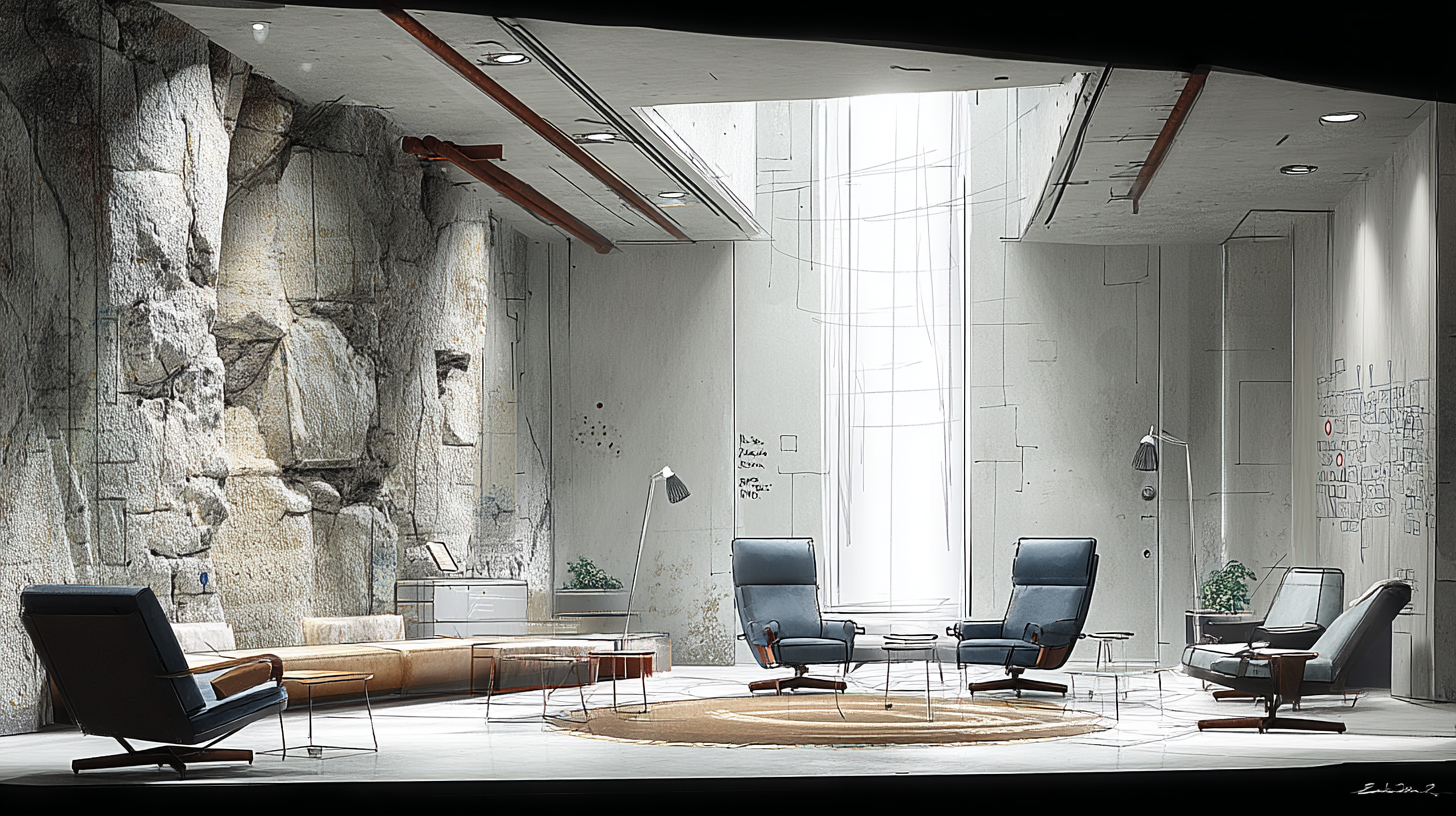
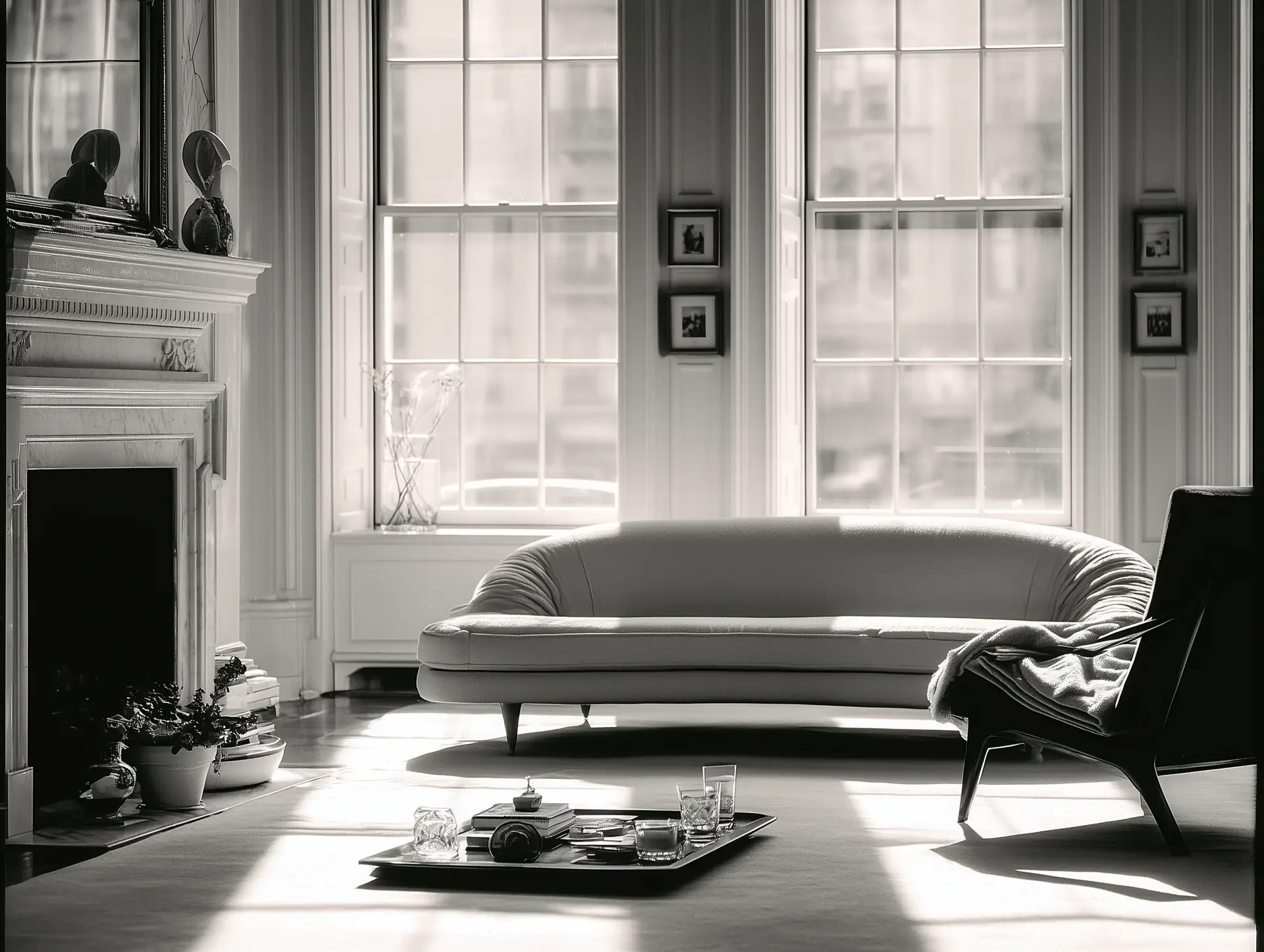
Large openings are excellent — when there is control. Otherwise, south/west openings without substantial external shading lead to overheating and glare, resulting in a constant "defense" (curtains, artificial light, cooling overload). Dramatic double-height spaces with extreme contrast may photograph wonderfully, but in daily use, they cause visual fatigue. And bedrooms without the actual possibility of blackout cost something very simple and critical: sleep.
3) Acoustics: the invisible parameter that defines experience
Acoustics are often a victim of image because they cannot be seen. Open-plan spaces with hard surfaces (stone, glass, micro-cement) without absorption create reverberation, raise the volume of conversations, and cause nervous wear. Mechanical noise from wrong placement or inadequate vibration protection turns into a permanent annoyance. A "luxury" space that sounds bad is of low quality — no matter how expensive it looks.
4) Air, humidity, thermal comfort: the foundation of well-being
Airtight frames without a ventilation strategy lead to a heavy atmosphere, lingering odors, and moisture issues. Thermal bridges ignored in "clean" minimalist finishes result in cold spots, condensation, and, often, mold. These are not aesthetic opinions. They are building physics.
Bioclimatic design: the clearest proof of seriousness
Bioclimatic design is not an "eco" label. It is rationality: controlling solar gains, thermal losses, ventilation, and comfort through design before asking machines to fix systematic errors.
In practice, it means orientation and correct zoning of uses, effective (primarily external) shading, real cross-ventilation and natural air flow, a high-performance envelope (insulation, airtightness, proper detailing for thermal bridges), thermal mass where it makes sense, and outdoor zones/vegetation as microclimate tools.
Errors here are classic: large western openings without shading (wonderful at sunset, punishing in practice), "clean minimal" that ends up in permanent darkness with curtains, sealed envelopes without an air renewal strategy, details that ignore thermal bridges and then manifest as humidity and condensation. When these are not solved in the study, they are paid for in everyday life.
A truth-test question (especially for the Greek residence)
There is a simple, disarming question that reveals a lot: how many of us would live for years inside the spaces we design? Not for a photoshoot, not for a weekend. For real life: rushed mornings, work, sleep, children, noise, bills, maintenance.
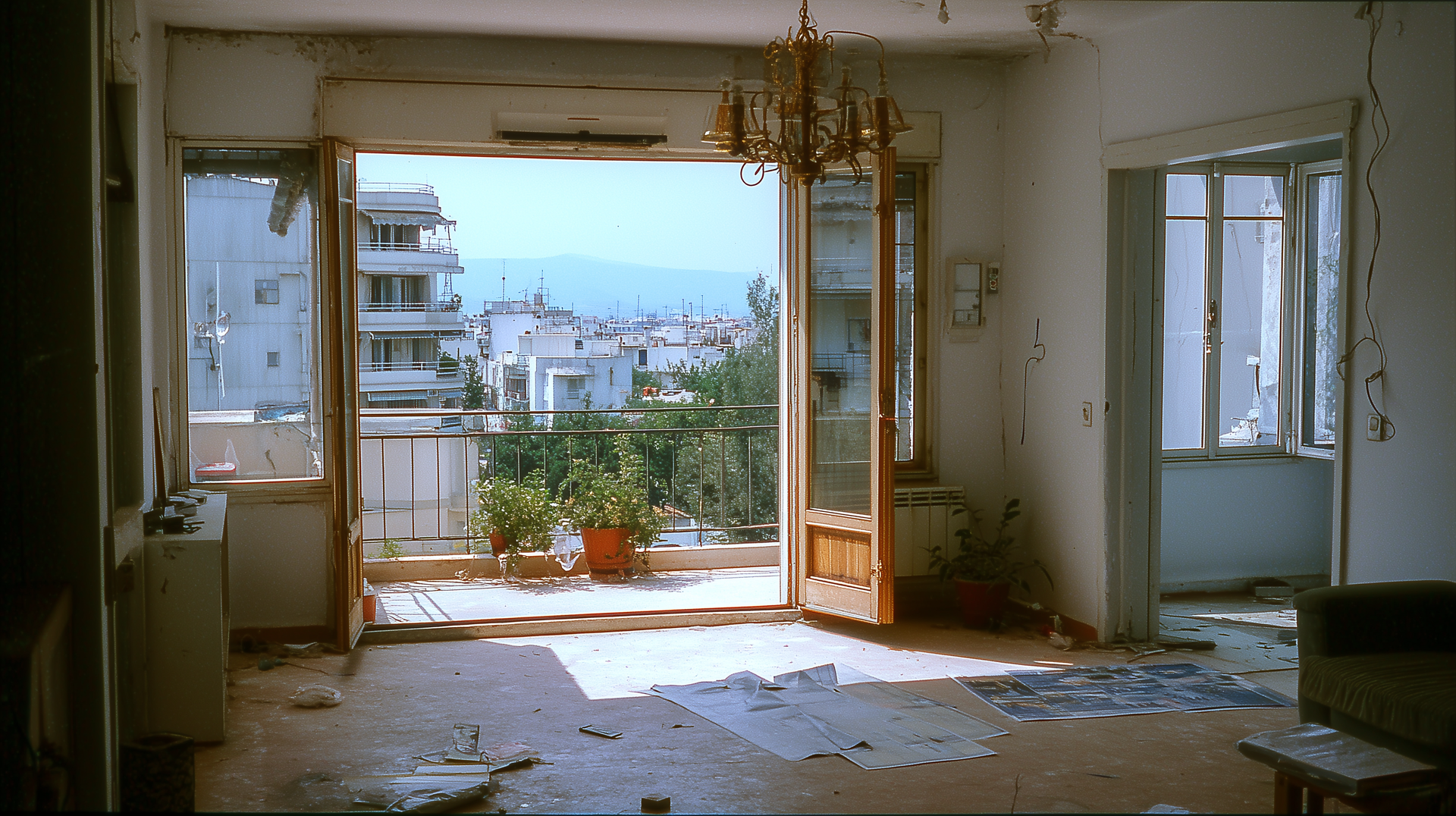
In Greece, this question becomes even more critical because the residential reality is specific: apartment buildings, small square footage, orientation constraints you don't "choose," urban noise, overheating in the summer, cold or humidity in the winter, and a massive building stock where the envelope and details were never designed with a serious logic of comfort. In those conditions, expensive materials or an "expensive kitchen" won't save you if the house remains difficult to inhabit.
The cost paradox: paying for the image, underestimating comfort
Most will invest without a second thought in something visible and photogenic — a high-end kitchen, impressive cladding, a statement material. But when the conversation turns to the envelope, shading, details that cut thermal bridges, ventilation strategy, and comfort control, you often hear: "it’s expensive."
The truth is that many critical choices are design-based, not necessarily expensive. And where they do require cost, we are often talking about investments of a similar magnitude to a premium "showpiece" — with a completely different return: not image, but daily stability and a reduced need for "corrections" via machinery.
A kitchen is something you see.
The envelope and microclimate are something you live.
Conclusion: real luxury is performance
Quality in architecture is not about "looking expensive." It is about functioning correctly. Providing comfort, control, tranquility, and longevity. Respecting human time, energy, and the body. A building that asks the user to adapt to the design is not high quality. It is design that is paid for daily.
And ultimately, this is the strictest criterion: a project is not judged by how impressive it is when handed over. It is judged by whether you can live inside it without negotiating daily with its very form.