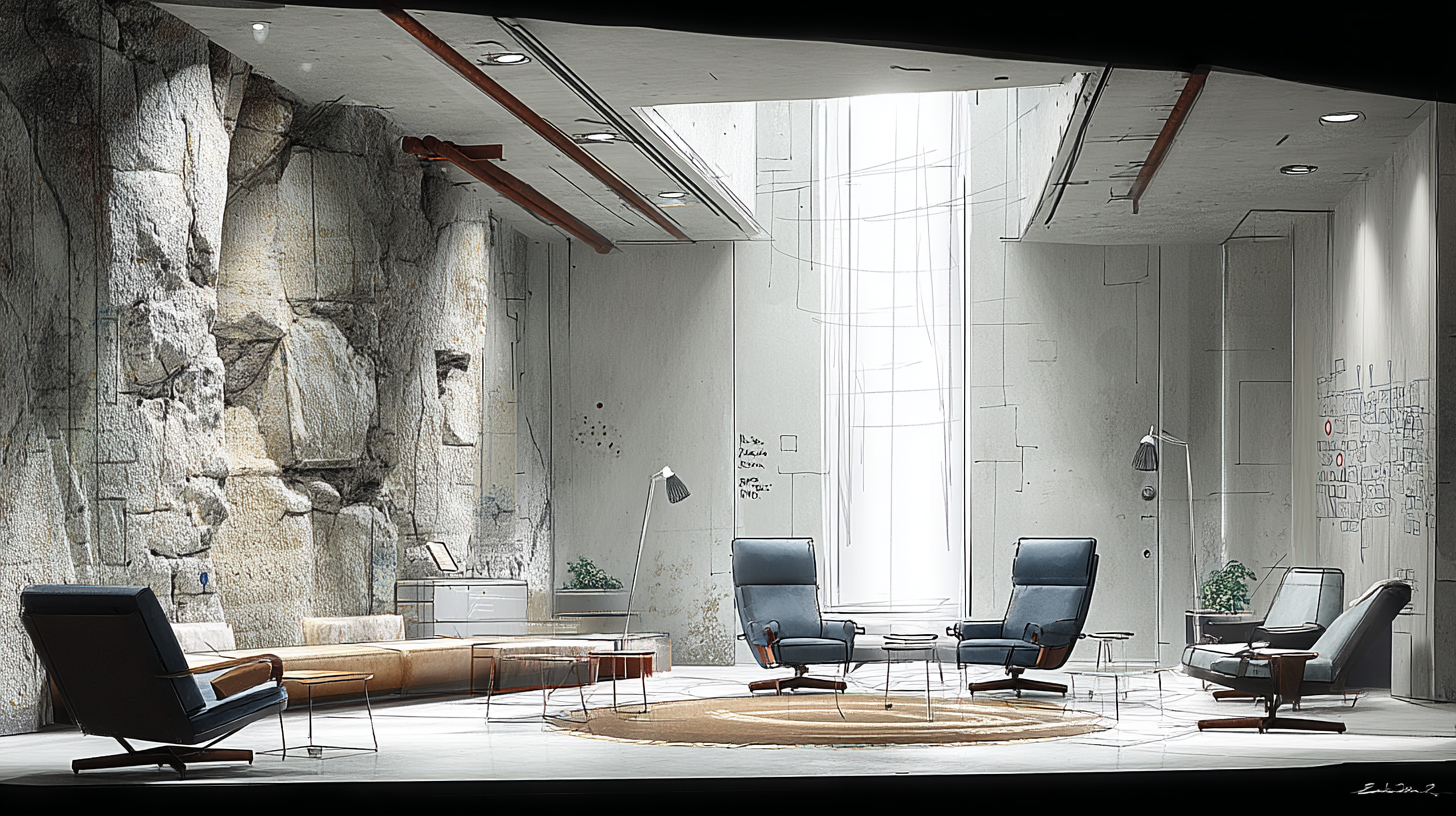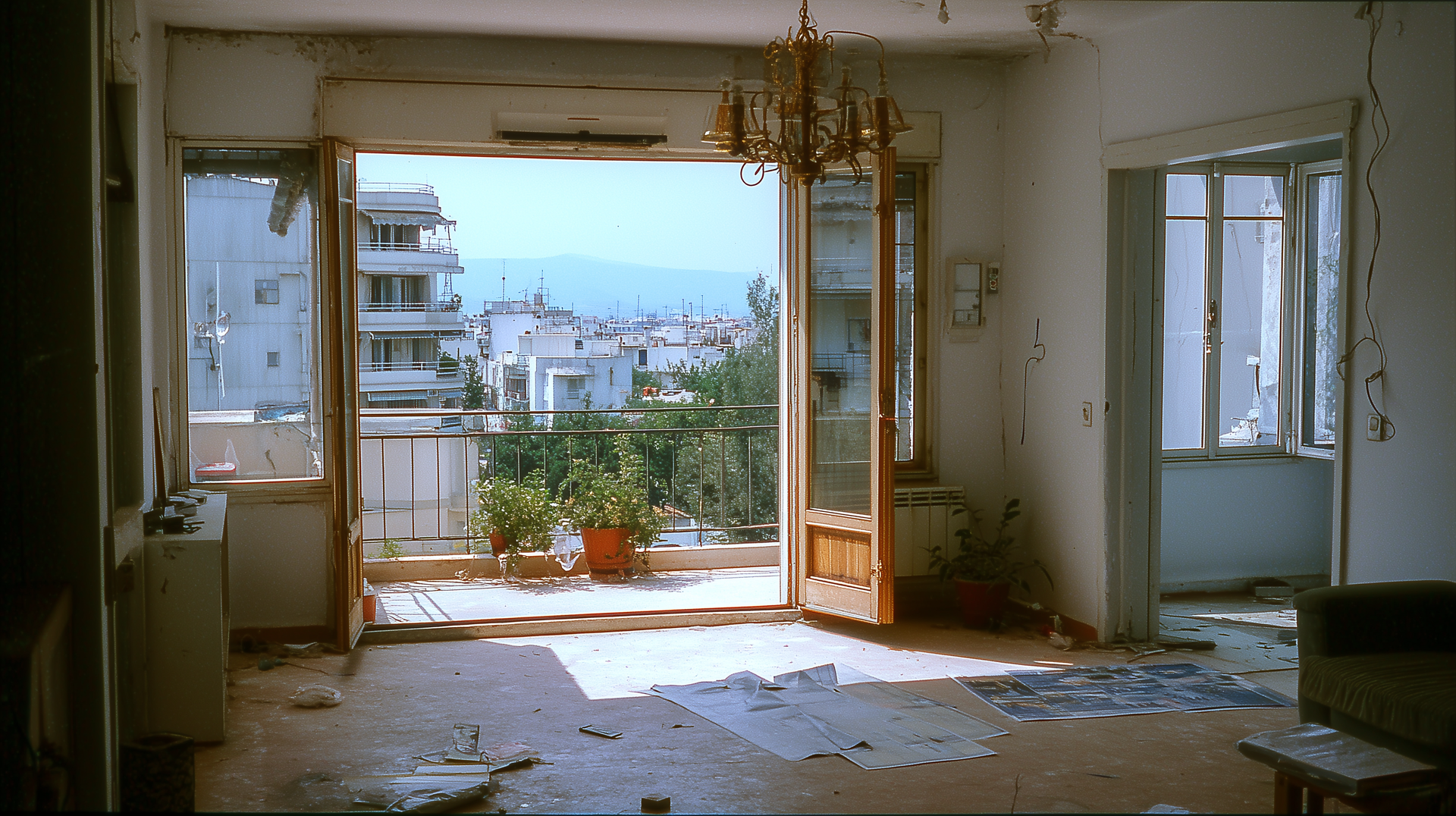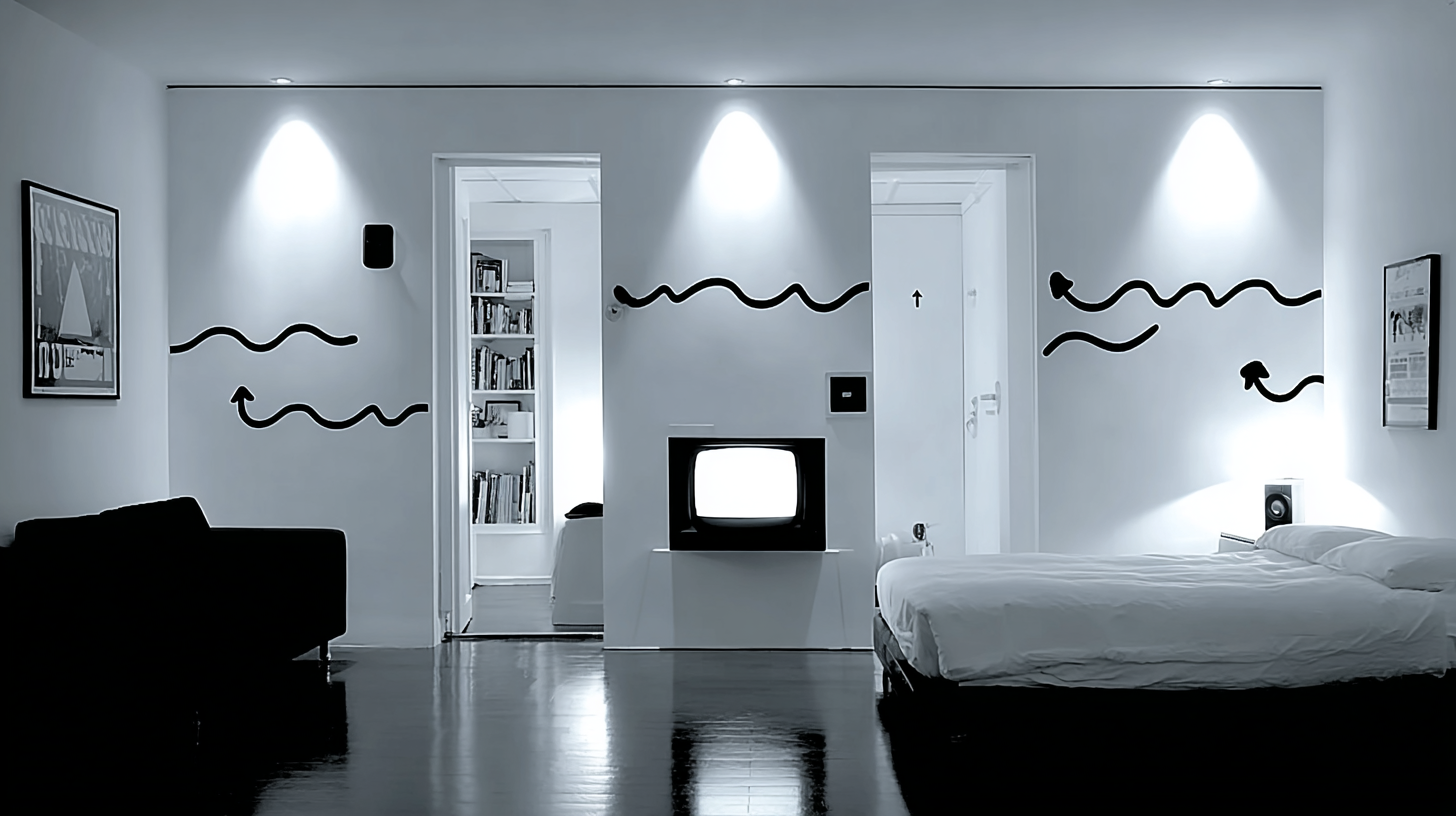
Three different professionals, three different skill sets, three different outcomes. The one you choose determines what you receive.
Written by
MOVA Studio · Architecture & Interior Design
An Athens-based studio shaping spaces where architecture, interior design and craft meet — notes from our practice.
The Greek interior design market suffers from a chronic confusion: the terms "architect," "interior architect," and "decorator" are used interchangeably, as if they refer to the same profession. They do not. Behind each title lies a different educational background, a distinct legal framework, and a varying capacity to transform your space.
In this article, we will analyze precisely what each professional does, what they can legally sign for, and when you need one over the other.
Three titles, three distinct professions
In Greece, three categories of professionals operate within the field of interior design. Each represents a different level of study, responsibility, and legal rights.
The Architect Engineer is a graduate of a five-year polytechnic school (NTUA, AUTH, University of Patras, DUTH, Technical University of Crete, University of Thessaly, University of Ioannina). They must register with the Technical Chamber of Greece (TEE) after passing examinations, acquiring full rights to sign architectural studies and supervise construction works. Their education covers architectural composition, urban design, statics, structural physics, building technology, energy design, fire safety, mechanical and electrical installations, urban planning, and building restoration. They can legally design anything from an apartment building to a bathroom, and sign every study and permit required.
The Graduate Interior Architect is a graduate of a four-year university department. In Greece, two such departments operate: the Department of Interior Architecture at the University of West Attica (PADA, 8 semesters, 240 ECTS) and the corresponding department at the International Hellenic University (IHU, Serres). The professional rights of these graduates were initially defined by Presidential Decree 67, which grants them the right to work in functional configuration, aesthetic study, and the organization of interior spaces, under the explicit restriction that interventions do not affect the load-bearing structure of the buildings. They can legally design non-load-bearing structural elements (partitions, false ceilings), finishes (cladding, color studies, lighting), furniture, and object design. These graduates do not register with the TEE and cannot sign architectural studies for building permits, nor can they undertake construction supervision involving a building’s load-bearing structure. However, their specialization in interior space is deeper than that of many architect engineers, as their curriculum focuses exclusively on this subject.
The Decorator is a graduate of a Higher Vocational Training Institute (SAEK/IEK, two-year study) in the specialty of "Interior Architecture, Decoration and Object Design," or a graduate of a private school, or even self-taught. According to the EOPPEP professional profile, they undertake the configuration of interior spaces in a functional and aesthetically sound manner, taking into account the specificities of the space and the client's needs (EOPPEP, Professional Profile: Interior Decorator). The profession of the decorator is not regulated in Greece in the same way as that of an engineer: there is no mandatory registration with a chamber, no professional license is required, and there is no legislatively defined field of exclusive competence. In practice, their work focuses on aesthetic proposals: the selection of colors, fabrics, furniture, lighting fixtures, decorative objects, and the composition of elements that do not require technical studies or structural intervention.
What each can do (and what they cannot)
The practical significance of these distinctions becomes clear through specific scenarios.
Demolishing a wall and new layout. Any intervention in the load-bearing or non-load-bearing structure of a building requires an architectural study signed by an engineer who is a member of the TEE, combined (as the case may be) with a structural study. Only an architect engineer can do this. An interior architecture graduate can design the new layout provided the load-bearing structure is not affected, but signing a study for a building permit does not fall within their rights. A decorator has no jurisdiction at any stage of this process.
Total apartment renovation. A project that includes new electrical wiring, floor replacement, new plumbing, drywall partitions, false ceilings, and construction drawings requires an architect engineer or, for interior configuration elements not involving the load-bearing structure, a graduate interior architect. In practice, serious interior architecture firms employ architect engineers to cover the full spectrum of responsibilities. A decorator can contribute to the aesthetic proposal (colors, fabrics, furniture) but cannot undertake the design or supervision of technical works.
Aesthetic upgrade without structural changes. If your space does not require any construction intervention and you simply want new furniture, curtains, lighting, and a unified color scheme, a capable decorator can do an excellent job. Their expertise in trends, materials, and aesthetic composition is exactly what this scenario requires.
Commercial space design (shop, restaurant, hotel). Commercial spaces are subject to a stricter regulatory framework: fire safety, health specifications, accessibility for persons with disabilities, electromechanical requirements, and operating licenses. All of these require the involvement of an architect engineer. The design of the space's aesthetic identity can be done in collaboration with an interior architect or decorator, but technical studies and licensing remain the responsibility of an engineer.
The hidden cost of the wrong choice
Choosing the wrong professional does not just mean a less beautiful result. It means real cost.
Legal risk. If a project includes works that require an engineer's signature and it is missing, both the owner and the professional are exposed to sanctions: fines for unauthorized construction, inability to issue or renew operating licenses, and problems during property transfer.
Technical risk. A layout that ignores statics, electrical lines, or plumbing supplies can lead to expensive corrections after construction. Site supervision by someone without technical training dramatically increases the probability of errors.
Financial risk. A project without construction drawings leaves the crews to interpret details themselves. This leads to misunderstandings, failures, delays, and budget overruns.
The ideal combination
In reality, the most complete projects do not rely on a single type of professional. Premium interior architecture firms, such as MOVA, combine architectural design, technical construction knowledge, aesthetic sensitivity, and practical project management experience within their team. This means the client has a single point of contact for the entire project, from conception to delivery, without needing to coordinate engineers, decorators, and contractors themselves.
When you need each: a rule of thumb
If your space needs structural interventions (masonry, electrical, plumbing, floors, window frames, building permit), you need an architect engineer, ideally one specialized in interiors.
If your space needs comprehensive interior design without interventions to the load-bearing structure (new partitions, false ceilings, lighting, bespoke furniture, construction drawings), a graduate interior architect can take full charge.
If your space needs an aesthetic upgrade (new furniture, colors, fabrics, accessories, styling) without any technical intervention, a capable decorator is the right choice.
If you want everything together in one package, without gaps in responsibility, without the risk of contradictory decisions, and with unified aesthetic and technical accountability, what you need is a comprehensive interior architecture studio.
The MOVA approach
At MOVA, our team combines architectural study, bespoke design, technical supervision, 3D photorealistic visualizations, and project management into a single service. You don't need to search separately for an engineer, a decorator, and a contractor. We take over your space from the first idea to final delivery, with strict quality control at every stage.
If you are planning a project and are not sure exactly what you need, talk to us. We will tell you honestly.
Sources and References
P.D. 99/2018, "Regulation of the engineering profession with determination of professional rights for each specialty" (FEK 187/A).
P.D. 67, "Professional accreditation of graduates of the Department of Interior Architecture, Decoration and Object Design of the TEI of Athens" (FEK A).
University of West Attica (PADA), Department of Interior Architecture, Undergraduate Curriculum, 8 semesters, 240 ECTS.
International Hellenic University (IHU), Department of Interior Architecture, Serres.
EOPPEP (National Organisation for the Certification of Qualifications & Vocational Guidance), Professional Profile: Interior Decorator, Athens.
General Secretariat for Vocational Education, Training and Lifelong Learning, Training Guide for the Specialty "Interior Architecture, Decoration and Object Design", Athens, 2023.
Technical Chamber of Greece (TEE), "Professional Rights of Engineers," web.tee.gr.
L.3919/2011, "Principle of professional freedom, abolition of unjustified restrictions on access to and exercise of professions" (FEK 32/Α/02.03.2011).
Hellenic Interior Designers Association (HIDA), "Interior Architect," hida.gr.